|
|

Saturday, April 27, 2024
|
|


The score is attained by runs. Batsmen score runs by hitting the ball and then running between the wickets. A boundary is awarded when the ball strikes or passes into or under or directly over any part of the boundary line or fence. Normally the allowance for a boundary is four runs. Six runs is allowed for all hits pitching over beyond the boundary line or fence. Six runs is also scored if a fieldsman after catching a ball, carries it over the boundary. A batsman can score runs off a no ball, bye, leg-byes and wide ball. All runs scored shall be recorded by scorers appointed for the purpose. The scorers shall accept all instructions and signals given to them by the umpires.
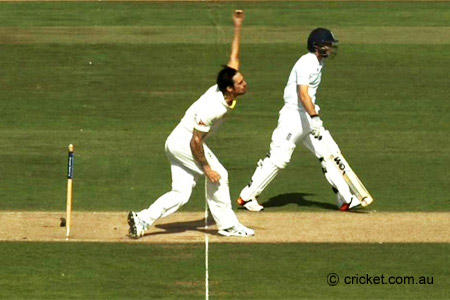
No ball is called when the umpire considers the bowlers delivery is not fair. The umpire shall indicate to the striker whether the bowler intends to bowl over or round the wicket, over arms or underarm or right or left handed. Failure on the part of the bowler to bowl as indicated can be called as no ball by the umpire. The umpire at eh bowlers wicket shall call and signal no ball if the bowlers back foot has landed within and not toughing the return crease or its forward extension or some part of the front foot whether grounded or raised was behind the popping crease. A penalty of one run for a no ball shall be scored for the striker.
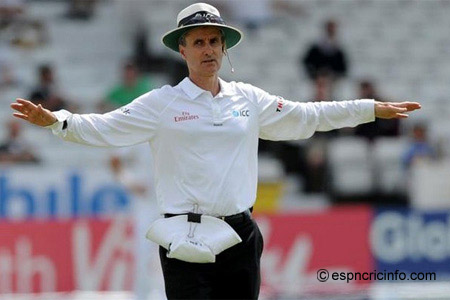
If the bowler bowls the ball so high over the shoulder or so wide of the wicket, so that it is out of reach of the striker, the umpire shall call and signal wide ball as soon as it has passed the line of the striker's wicket. A penalty of one run is scored for the batsman for a wide ball and bowler must bowl another legitimate delivery.
If a ball passes the striker without touching his bat or person and runs are obtained the umpire shall signal bye and the run shall be credited to the batting side.
If the ball is deflected by the strikers dress or person, except a hand holding the bat, and runs are obtained, the umpire shall signal leg-bye and the run so scored shall credited to the batting side.
The striker may hit a no ball and a wide ball and whatever runs result shall be added to the score.
During the play if a ball cannot be found or recovered by any fieldsman, the umpire may call lost ball and 6 runs can be added to the score. But if more than 6 runs have been run before lost ball is called as many runs have been completed shall be scored.
A side which has scored a total of runs in excess of that scored by the opposing side in its two completed innings (test matches) or in single innings (one day match / T20 match) shall be the winner.
When the scores are equal at the conclusion of play, but only if the side batting last has completed its innings, the result of the game shall be a 'tie'.
A match not determined in any of the ways above shall be counted as a Draw.
|
|