|
|

Sunday, September 14, 2025
|
|


| Article / Medicine / Aromatherapy | Post Comments |
Aromatherapy |
|
| By : Webindia123 Editor , , 1.10.2009 2 Comments Mail Now | |
Essential oils are medicinal and fragrant and travel through the blood stream reacting with hormones and enzymes. When the fragrance is inhaled the nerve ends in the nose transmit pleasurable signals to the brain which reacts to the positive power of the fragrant aroma inducing pleasant memories, restoring emotional balance and encouraging relaxation and energisation. Many of these fragrant oils have antiseptic and antitoxic qualities and often act as an antidote to viral infections, inflammations, aches and pains. The origin of Aromatherapy cannot be traced to any particular era or civilization. But the virtues of fragrance were known even in the earliest civilizations. In India and Egypt the art of distillation of essential oils were known as early as 1500 B.C. There are many legends that arise from nearly every land that proclaim the sanctity of one fragrance or another. The Aroma - therapist adopts the virtue of the fragrance of natural substances, extracts it into oil or synthetically reproduces it, and uses it for healing and health maintenance. In other words, the aim of the Aroma therapist is to capture the effects of the scents of the world-both conscious and unconscious and to blend them together in such a way that their effect is directed to a specific purpose. This therapy is used not only for the treatment of physical illnesses but also used to improve the mental and even the spiritual conditions as well. Applications of Aromatherapy It is mainly divided into two
Inhalation are of two types (a) direct inhalation and (b) indirect inhalation. In the case of direct inhalation Aromatherapy remedy is applied directly to the effected area. But in indirect inhalation the persons surroundings are treated with the chosen scent. Inhalation is the more widely used method of delivering scent. In earlier days, the herb was burned and the fumes inhaled by the ailing individual for relief. Today, there are many other alternative methods to accomplish inhalation therapy, like use of oil diffusers, potpourri cookers, vaporizers, inhaling the fragrance directly from the bottle or soaking cotton balls etc. Oil diffuser is a machine specially designed as a system of delivering fragrances from an oil or oil blend into the air. Vaporizer is a device used for converting liquid to gaseous form for inhalation. Potpourri is a combination of different aromatic substances generally heated to infuse the air with a pleasing aromatic blend.
There are different methods for preparing Aromatic baths. Of these two easiest and least complicated methods in the preparatory stages is narrated below. One is to introduce the essential oil or oil blend into a small amount of Epsom salts and to dissolve the salts into a tube of hot or warm water. Another method of creating an aromatic bath is to introduce the essential oil (blend) directly into the bath water. Precautions to be taken by the Aroma therapist:
In Aromatherapy, depending on the nature of ailments different methods are chosen. The ultimate purpose of Aromatherapy is to deliver the virtues of the scent to the client in a way that will most benefit his or her condition. |
|
Comments |
||||||||||||||
| ||||||||||||||
| ||||||||||||||


 WHATSAPP
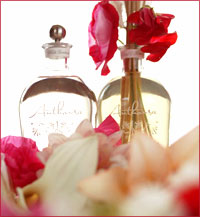 Aromatherapy is a holistic healing process for the body and mind with the use of fragrances. The basis of this therapy lies in the essential oils contained in plant materials. These can be found in leaves, flowers, roots, seeds, bark and resin. These oils are highly concentrated and when extracted, can either be used in a pure form or diluted and blended with other oils to produce the required strength.
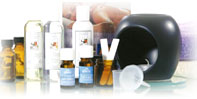 External application is also employed in both the healing and the magical facets of Aromatherapy. External application include Massage therapy, Aromatic bath etc. Thus through external application, the individual is actually taking in the healing properties of the essential blend through the skin. For massage therapy, appropriate oil must be produced. This is done by diluting the oil remedy with a carrier oil. Carrier oils are oils of low scent or no scent used to dilute more pungently aromatic oils or blends.

