Bioinformatics or computational biology is the use of information technology
in the field of molecular biology, or the application of computer technology
to the management and analysis of biological data. Here computers are
used to gather, store, analyze and merge biological data.
It is an emerging interdisciplinary research area and is increasingly
being used to improve the quality of life. The ultimate goal of bioinformatics
is to uncover the wealth of biological information hidden in the mass
of sequence, structure, literature and other biological data and obtain
a clearer insight into the fundamental biology of organisms and to use
this information to enhance the standard of life for mankind.
It's importance is unlimited in the genomic era (genome is the complex
molecular chains that constitute each organism’s unique genetic heritage).
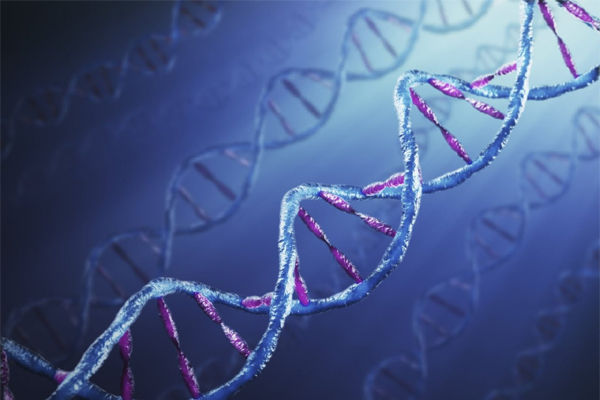
The hereditary information of an organism is encoded in the DNA. Genomics,
the study of an organisms entire genome is developed to understand the
basic molecule of life which is known as the code of life. DNA directly
controls the biological makeup of humans or any living organism. Studying
the structure of DNA has made amazing success over many genetically
transferring diseases. It is variations and errors in the genomic DNA
which ultimately define the likelihood of developing diseases or resistance
to the same disorders.
Bioinformatics could have profound impact in fields as varied as human
health, agriculture, the environment, energy and biotechnology to advance
biomedical research and development. It is being used now in the areas
of molecular medicine to help produce better and more customized medicines
to prevent or cure diseases, it has environmental benefits in identifying
waste cleanup bacteria and in agriculture it can be used for producing
high yield low maintenance crops. These are just a few of the many benefits
bioinformatics can offer.
The career prospects in the field has been steadily increasing with more
and more use of information technology in the field of molecular biology.
Job prospects are in all sectors of biotechnology, pharmaceutical and
biomedical sciences, in research institutions, hospital and industry.
Some of the specific career areas that fall within the scope of bioinformatics
include Sequence assembly, Database design and maintenance, Sequence analysis,
Proteomics (the study of protein, particularly their structures and functions),
Pharmacogenomics, Pharma-cology, Clinical pharmacologist, Informatics
developer, Computational chemist, Bio-analytics and Analytics etc.