Health »
Disease & Conditions »
Baby Care » Baby Care - Potty Training
Potty Training
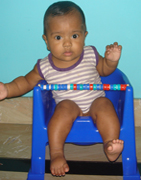 You
may be in charge of everything else in your child's life, but he is in charge
of his body including his bowel and bladder movements. He cannot be forced to
use a potty chair until he is ready, say at about two to two and a half years
of age. Children younger than 2 years have probably no control over bladder or
bowel movements. Becoming toilet trained is a big step in your baby's life. It
takes time for him to get fully trained, maybe a week, a month or half a year
depending on each child's physical and psychological development. Choose a time
for potty-training when your child's life is relatively free of new situations.
You need to a lot of patience while training him and take care not to reprimand
him when he fails to make it to the potty.
You
may be in charge of everything else in your child's life, but he is in charge
of his body including his bowel and bladder movements. He cannot be forced to
use a potty chair until he is ready, say at about two to two and a half years
of age. Children younger than 2 years have probably no control over bladder or
bowel movements. Becoming toilet trained is a big step in your baby's life. It
takes time for him to get fully trained, maybe a week, a month or half a year
depending on each child's physical and psychological development. Choose a time
for potty-training when your child's life is relatively free of new situations.
You need to a lot of patience while training him and take care not to reprimand
him when he fails to make it to the potty.
How to introduce
the potty chair
Show your child a potty chair and
tell him what it is for. Show him how to sit on it, with or without his diaper
on at first. Be encouraging about sitting on the potty chair, but do not push
him. If he protests strongly, don't insist. It may mean that it is not the right
time to start training. Encourage your child to tell you when he or she is about
to urinate or have a b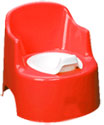 owel
movement. It may be helpful to make trips to the potty a regular part of your
child's daily routine, such as the first thing in the morning when your child
wakes up, after meals and before going to bed. If your child gets up immediately
suggest that he sit a little longer and make it easier by distracting him with
a toy or a book. If nothing happens, let him get up and keep on playing. Encourage
your child with lots of hugs and praise when he succeeds and tell him what a good
boy he is. Punishment and scolding will often make children feel bad and may make
toilet training take longer.
owel
movement. It may be helpful to make trips to the potty a regular part of your
child's daily routine, such as the first thing in the morning when your child
wakes up, after meals and before going to bed. If your child gets up immediately
suggest that he sit a little longer and make it easier by distracting him with
a toy or a book. If nothing happens, let him get up and keep on playing. Encourage
your child with lots of hugs and praise when he succeeds and tell him what a good
boy he is. Punishment and scolding will often make children feel bad and may make
toilet training take longer.
Teach your child proper hygiene
habits. Clean his bottom well after he finishes going in the potty. Of course
you must clean him up until he could do it himself say around four years of age.
Make sure both boys and girls learn to wash their hands well after urinating or
a bowel movement.
Questions of
Questions & Answers |
|
| 1. |
Posted on :
6.7.2015 By : H B Nagle , Nagpur
|
View Answer (0)
|
Post Answer
|
|
| |
My son akshay has been suffering from hydocele for last one year. His one testis is increasing. one more thing is that he is suffering from hemangioma by birth and after two years of his birth hydrocele and tonsils are the new diseases arises |
|
|
|
|
| 2. |
Posted on :
20.5.2014 By : Arav Gagan , Ranchi
|
View Answer (1)
|
Post Answer
|
|
| |
I want to 01 Years old baby Vaccine chart ex. Pneumonia, Hepatitis A, Chicken Pocks, Flu.
1.Pneumonia Patient Baby
2. DOB-02/04/2013 |
|
|
| A1: |
These are the reccommendations for immunization by Indian peadiatric associations
1. Hepatitis A - 1 dose (12 Months) ,
2 Dose (24 Months)
Pnumococcus Vaccination - 1 Dose (1 1/2 Months)
2 Dose (2 1/2 months)
3 Dose - (3 1/2 months)
Chickenpox Vaccination 1 Dose - 15 months
2 Dose - 4- 6 years
Influence Vaccination - Every Year
Check the link for more details
https://www.webindia123.com/health/child/baby/Immunization_Chart.html
Please consult your peadiatrician for further Advise |
| |
Posted By :Admin , Kochi | On 26.5.2014 |
|
|
|
|
| 3. |
Posted on :
27.1.2014 By : Vaishnavi , Chennai
|
View Answer (1)
|
Post Answer
|
|
| |
Hi thanks for the above information and I am having two more question first one is we can use citric acid regularly for new born baby second my son body over heat what I want to do become normal |
|
|
|
|
|
|
| » more... |
Note : All statements given are only for information purpose. We are not responsible or liable for any problems related to the utilization of information on this site. We suggest that you consult a qualified doctor before trying any alternative health care remedies.



