|
Sattwik Abhinaya
The Sattwik Abhinaya consists of two elements complementary to each other.They are the Rasa or emotional flavour and the Bhava or the mood to suit a
particular emotion. Rasa is the primary and most important
requirement of nritya which may be interpreted as emotional
flavour or sentiment. The artist must seek to arouse this
ecstasy in the spectators so that his emotions and theirs
may fuse and become attuned to the spirit of the drama.
Bhava is the secondary and complementary features. Bhavas may be of
four kinds.
(a) Vibhava, which is again sub divided in to abalambanam and
its accessory Udipan. Love in the Radha Krishna dance may be
expressed through the former, while the latter helps the mood with the
external aid of a moonlight setting.
(b) Anubhava expresses the effect of a mood such as the ravages of
anger or sorrow, or the rapture of love.
(c) Vyavicharibhava pertains to the temporary changes of settings
to fit in with the mood of particular scene.
(d) Sattwikbhava consists of eight standardized
movement to express such emotions as joy, fear or disgust.
The main difference between the rasa and bhava is that while rasa
depends purely on imaginative transfiguration, bhava is more earthy
for it is concerned with creating a mood through physical
media. Rasas express the beginning of a sentiment while bhavas
complete or round it off either through the agency of mana; the brain or
of the sharira; the body or through an action such as the throwing of a
stone.
Every rasa has its accompanying bhava. There are nine rasas with an equal
number of complementary moods
|
|
|
|
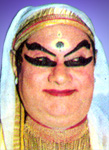
1.Sringara
Rasa (Erpticism)
Rati
Bhava (Love) |
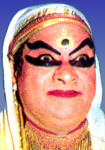
2.Raudra
Rasa (fury)
Krodha
Bhava (Anger) |
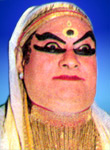
3.Veera
Rasa (Valour)
Utasha
Bhava (Bravery) |
|
 |
 |

|
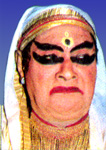
4.Hasya
Rasa (Satire)
Hasya
Bhava (Mirth) |
5.Karuna
Rasa (Pathos)
Soka
Bhava (Compassion) |
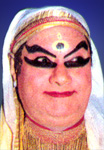
6.Vibhatsa
Rasa (Disgust)
Jugupsa
Bhava (Aversion) |
|
 |
 |
 |
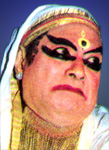
7.Adbhuta
Rasa (wonderment)
Ascharya
Bhava (Amazement) |
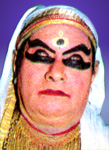
8.Bhayanaka
Rasa (Fear)
Bhaya
Bhava (Fright) |
7.Shanta
Rasa (serenity)
Shama
Bhava (peace) |
| 


