|
|

Thursday, April 18, 2024
|
|


|
|||||||||||||
| The months of Bhadon and Ashwin are marked by many religious observances and ceremonies. This is the most critical season of the year to the cultivator, when he must have rain. At the end of the former month, farmers observe the fast of Anant-brat in gratitude for the bhadai harvest and in the hope of further prosperity. Chhath Puja
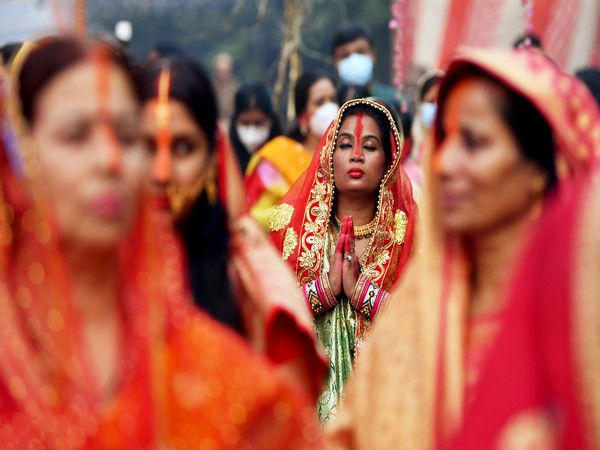
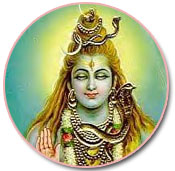
Chhath puja, the main Hindu festival of Biharis is celebrated with traditional fervor to worship the Sun god. It is celebrated on the sixth day after Deewali, for one night and day. The people of Bihar especially married women, flock to the banks of river Ganga or to other nearby river ghats and ponds to make a ritual offering to Sun god for the prosperity, happiness and peaceful life of their family members as well as the long lives of their husbands. Navaratri is one of the major festivals connected with the autumnal equinox, beginning on the first and ending on the tenth day of Navaratri. After the idol of Durga has been worshipped for nine preceding days, it is taken to the river and cast into it. Dussehra celebrates the victory of Rama over Ravana. Hence it is also called Vijayadashami. Huge colourful paper and wooden effigies of Rama's enemies, Ravana, Meghanada and Kumbhakarna are filled with fire works and burnt during Dussehra. Holi and Diwali are the other important Hindu festivals celebrated in Bihar. Hindu women worship Lord Shiva at Jeth Amavasya to ensure the long life of their husband. At Mauni Amavasya they sit silently under a pipal tree on the day of a new moon, provided it is a Monday. Nag Panchami is a festival observed on the fifth day of the bright half of Sravana. It begins with a fast. Bathing fairs are held on the banks of rivers. Makar Sankranti is also observed
as a festival among certain classes. On this occasion, the participants
and believers eat rice flakes, curd and sweets made of t Maha-Shivaratri is celebrated with great rejoicing and feasting. Other Bihari festivals are; Saraswati puja which is celebrated in all educational institutions and images of goddess of learning are worshipped. Raksha Bandhan, Godhan, Ramnavami, Chitra gupta puja are celebrated mostly by the Kayasthas and Viswakarma puja is observed only by factory workers and workmen. The chief Muslim festivals in Bihar are the Muharram, the two Ids and shah-i-barat.
In tribal life, there is a succession of festivals throughout the year which are connected with agricultural operations. The important festivals among them are Sarhul, Karma and Soharai. Hindu festivals of Holi and Durga puja are also celebrated with great enthusiasm by Hindu tribals.
Sarhul Soharai Karma festival |
|||||||||||||
|
|||||||||||
|
|||||||||||
| Last Updated on : 15 March 2018 |


 il.
Janmashtami is observed on the eight day of the second fortnight
in the month of Bhadrapada. Special meals are held and thousands of people
visit the sacred places and temples.
il.
Janmashtami is observed on the eight day of the second fortnight
in the month of Bhadrapada. Special meals are held and thousands of people
visit the sacred places and temples.